The most effective radon mitigation method for slab and basement homes. Our ASD system creates negative pressure beneath your concrete slab, preventing radon from entering your living space.

As a family-operated business serving Chicagoland since 1957, U.S. Waterproofing & Foundation Repair understands that protecting your home means more than waterproofing and foundation repair. FromSchaumburg to Naperville, radon mitigation is a natural extension of our expertise—because radon enters your home through the same pathways that water and soil gases do. With over 65 years of experience working with basement floors, drain tile systems, sump pumps, and crawlspace encapsulation throughout the Midwest, we’re uniquely qualified to provide integrated radon solutions that work with your home’s existing systems.





You cannot see, smell, or taste radon. Yet this naturally occurring radioactive gas is responsible for more than 20,000 lung cancer deaths every year in the United States. It affects adults, children, and even household pets—who often spend more time closer to the floor where radon concentrations are highest.
In Illinois, the risk is especially severe. Over 45% of Illinois homes test above the EPA action level of 4.0 pCi/L. The Chicago area—from Elgin and Aurora to Joliet and Highland Park—sits atop radon-producing soil, and many homes with finished basements unknowingly trap radon indoors.

Our radon mitigation systems reduce radon levels by up to 99%, providing permanent protection for your family. Systems are designed to work continuously with minimal maintenance, giving you decades of reliable performance.

We regularly work with realtors and home inspectors to resolve radon issues quickly during real estate transactions. We move quickly to design and install systems that meet tight closing timelines without delays.

Homes with documented radon mitigation systems are easier to sell and more attractive to buyers. Our lifetime transferable warranties add value and provide buyer confidence during transactions.
Homes with direct contact to soil are at highest risk. Radon enters through cracks in foundation walls, gaps in floors, construction joints, and openings around pipes. Learn more about our basement waterproofing services that can be combined with radon mitigation.
While these systems protect against water intrusion, unsealed sump pits can actually serve as entry points for radon gas. Our sump pump installation and sealing services ensure your system protects against both water and radon.
Any opening in your foundation provides a pathway for radon entry. If you’ve noticed cracks in your foundation walls or floor, both foundation repair and radon mitigation may be necessary.
Homes with crawlspaces are particularly vulnerable to radon accumulation, especially if the space is unsealed. This is common in many older neighborhoods throughout Naperville, Fort Sheridan, and surrounding Illinois communities. Our crawlspace encapsulation services create a complete barrier against radon and moisture.
While energy-efficient homes are desirable, tight sealing without proper ventilation can trap radon indoors and increase concentration levels over time.
Illinois is classified as a high radon potential state. If you live in northeastern Illinois communities like Wheaton, Downers Grove, or Oak Park, your home should be tested regardless of other factors.
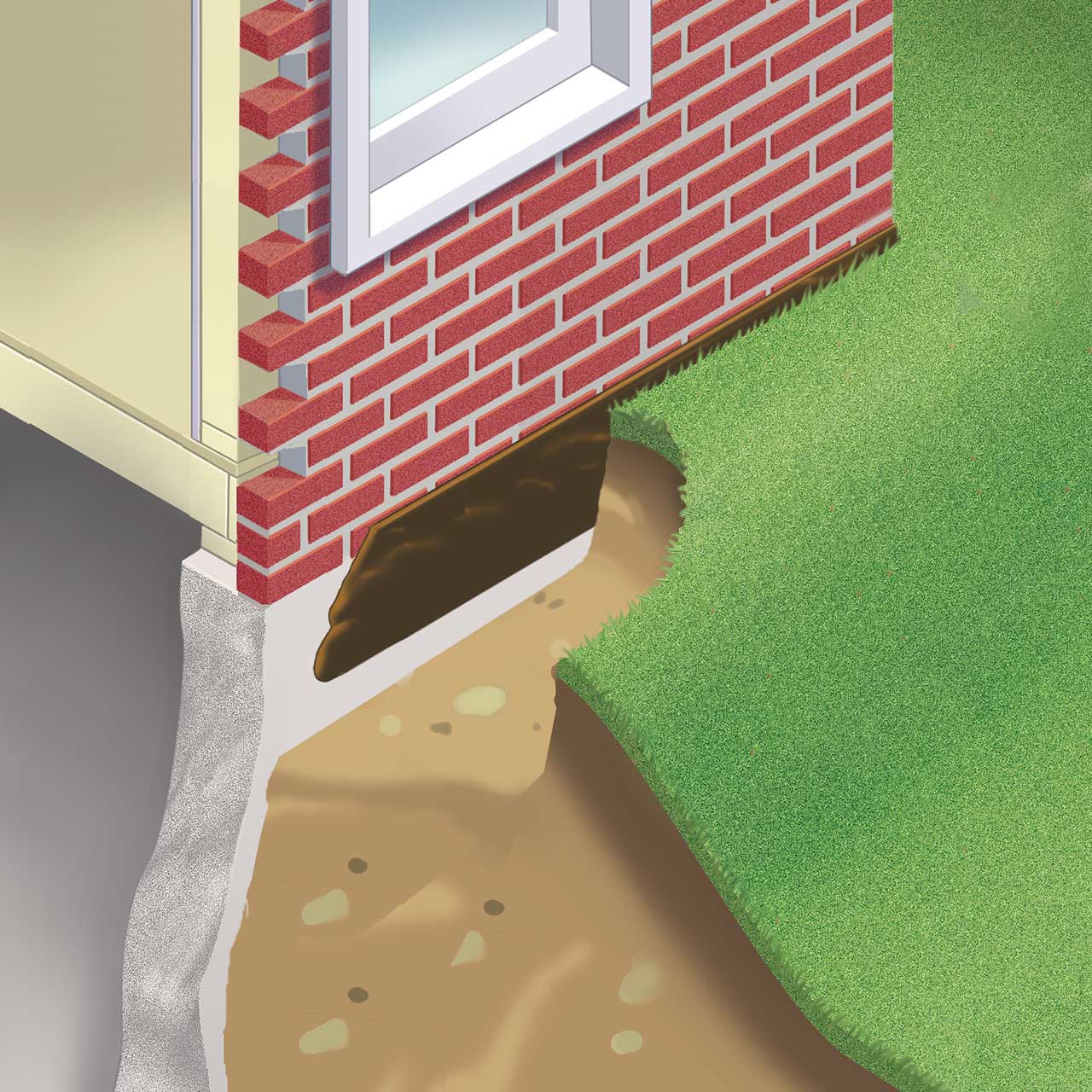
The most effective radon mitigation method for slab and basement homes. Our ASD system creates negative pressure beneath your concrete slab, preventing radon from entering your living space.
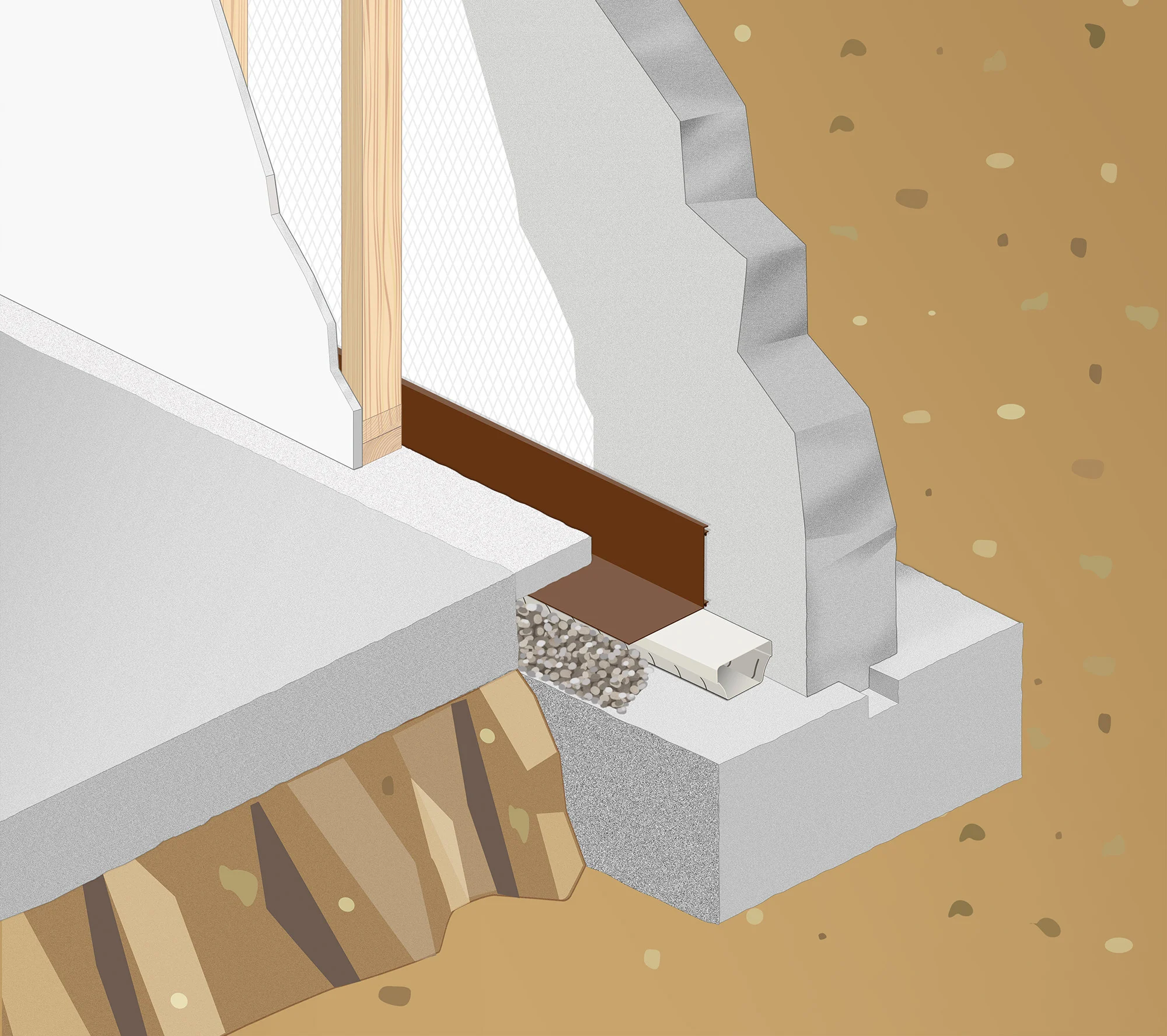
Perfect for homes with existing interior drain tile systems—and this is where U.S. Waterproofing & Foundation Repair’s 65+ years of expertise truly shines.
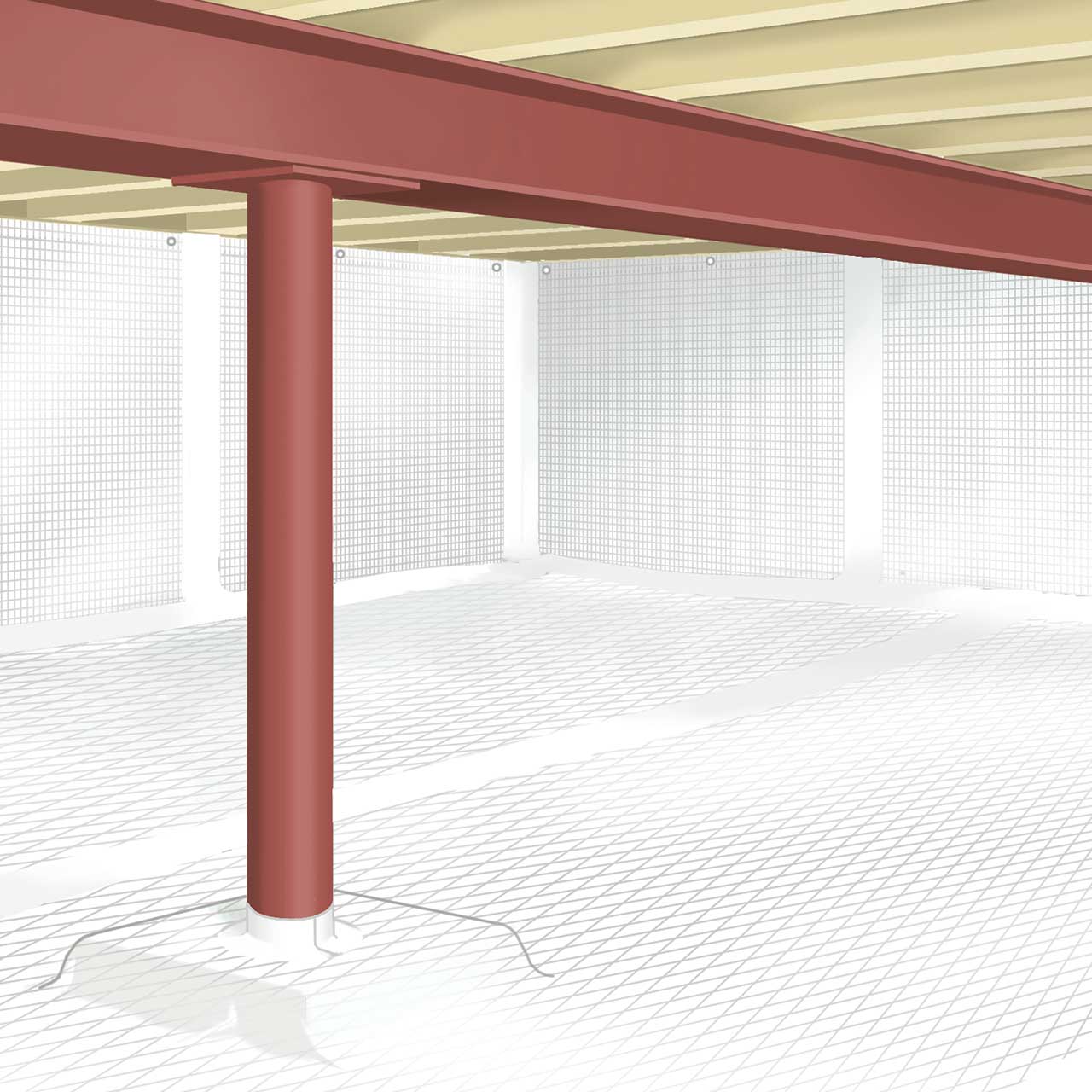
Specialized system for homes with crawlspaces, combining radon mitigation with moisture control and energy efficiency improvements.

Our IEMA-licensed radon specialists begin with a comprehensive assessment of your home. We review any existing test results, examine your foundation type, evaluate your current waterproofing systems, and identify all potential radon entry points. If you’re planning basement or foundation work, we coordinate radon mitigation with those projects for optimal integration and cost savings.
Unlike standalone radon contractors, we understand the complete basement environment. From the water table challenges in low-lying areas of Skokie and Niles to the unique foundation conditions in older Rockford and Peoria homes, we know how drain tile systems work, how sump pumps operate, where foundation cracks commonly appear, and how these elements interact with radon entry. This comprehensive knowledge ensures we design the most effective system for your specific situation.

Based on our evaluation, we design a radon mitigation system tailored to your home’s construction and your family’s needs. If you have an existing drain tile system, we can integrate radon mitigation directly into that infrastructure. If you’re planning waterproofing work, we’ll coordinate both projects to maximize effectiveness and minimize disruption.
We provide clear explanations of how the system will work, where equipment will be located, and what results you can expect. There’s no one-size-fits-all solution—every system is customized for your home.

Our experienced installation teams have completed hundreds of waterproofing, foundation repair, and basement floor projects across Chicagoland. We bring that same level of expertise to radon mitigation.
Installation typically takes one to two days, depending on system complexity. We maintain clean work areas, protect your home’s finishes, and ensure minimal disruption to your daily routine. All equipment is installed to manufacturer specifications and local code requirements.
If we’re combining radon mitigation with other basement work—such as installing a new sump pump, sealing foundation cracks, or upgrading your drainage system—we coordinate everything efficiently to get all work completed in a single mobilization.

After installation, the homeowner conducts post-mitigation testing to verify system effectiveness. This confirms your radon levels have been reduced to safe levels—critical information for real estate transactions and your family’s peace of mind.
We provide complete system operation instructions and maintenance guidelines. Our radon fans come with manufacturer warranties, and we’re always available if you have questions or concerns about your system’s performance.
U.S. Waterproofing & Foundation Repair stands behind every radon mitigation installation with comprehensive warranty coverage. Our radon fans include manufacturer warranties covering equipment defects and performance. This warranty is transferable to future homeowners—an attractive feature that can facilitate home sales and demonstrate your commitment to maintaining a safe, healthy home.
Combined with our lifetime transferable warranties on waterproofing and foundation repair work, you’re getting complete basement protection that adds value to your home and peace of mind for your family.
With over 500,000 successful installations across the Midwest, we’ve seen every type of basement and foundation challenge. Our A+ BBB rating and the fact that two-thirds of our business comes from referrals speak to our commitment to quality and customer satisfaction.
We’ve been protecting Chicagoland families for three generations. When we add radon mitigation to our service offerings, we bring that same dedication to excellence and customer care.
Radon mitigation is most effective when combined with comprehensive basement and foundation services. U.S. Waterproofing & Foundation Repair offers complete solutions to protect your home’s structural integrity, indoor air quality, and family safety.

Protecting your family from radon exposure is too important to delay because of budget concerns. U.S. Waterproofing & Foundation Repair offers flexible payment options to make radon mitigation accessible for every homeowner.

4.6/5 Stars from 1,000+ Reviews

Radon-producing soil throughout the region: The glacial soils common across the Midwest are rich in uranium-bearing materials that naturally produce radon gas. This geology means radon is present throughout our service area, not just in isolated pockets.
High percentage of basement homes: Unlike many parts of the country where slab-on-grade or crawlspace construction is common, the Midwest has a very high percentage of homes with full basements. Basements provide large surface areas of soil contact, creating more opportunities for radon entry.
Seasonal pressure changes: The dramatic temperature differences between Midwest summers and winters create pressure differentials that can draw radon into homes. During winter, warm air rising inside your home creates negative pressure that pulls radon up from the soil. This “stack effect” is especially pronounced in our climate.
Older home construction: Many homes throughout Chicagoland—from established neighborhoods in Evanston and La Grange to historic districts in Joliet and Michigan City—were built before modern building codes addressed radon concerns. Older concrete tends to develop cracks over time, foundation joints may not be properly sealed, and sump pits often lack the airtight covers now recommended for radon control.
Dense urban development: In established neighborhoods throughout Berwyn, Cicero, Des Plaines, and Park Ridge, homes are often built on filled or disturbed soil that can create pathways for radon movement. Urban construction may have altered natural drainage patterns, affecting how soil gases move beneath homes.
The combination of these factors means that Midwest homeowners cannot assume their homes are safe from radon exposure. Testing is the only way to know your radon levels, and professional mitigation is the only reliable way to reduce dangerous concentrations.
The only way to know your home's radon levels is through testing. While DIY test kits are available for initial screening, we strongly recommend professional testing by IEMA-licensed providers in Illinois. You can verify licensing through the Illinois Emergency Management Agency (IEMA) and check with your local BBB or Chamber of Commerce to find certified local providers. Short-term tests (2-7 days) provide quick results, while long-term tests (90+ days) give more accurate average readings.
In Illinois, we strongly recommend testing because over 45% of homes test above the EPA action level. This is particularly important in high-risk areas throughout DuPage County, Lake County, and Cook County communities. Testing is especially important if you have a basement, live in a Zone 1 or Zone 2 area like most of our Chicagoland service area from Waukegan to Kankakee, or are buying or selling a home. If your test results show radon levels at or above 4.0 pCi/L, the EPA recommends mitigation. Even levels between 2.0 and 4.0 pCi/L may warrant mitigation since no level of radon exposure is considered completely safe.
Most radon mitigation systems can be installed in one to two days, depending on system complexity and your home's construction. Active sub-slab depressurization systems typically take one day for straightforward installations. Systems that integrate with existing drain tile or involve crawlspace encapsulation may require two days or slightly longer.
If you're combining radon mitigation with other basement work—such as waterproofing, foundation repair, or sump pump installation—the timeline will depend on the scope of all work being completed. When we coordinate multiple projects, we often save time overall compared to scheduling separate contractors for each issue. We'll provide a clear timeline estimate during your free consultation.
Modern radon fans are designed to operate quietly, and most homeowners don't notice any noise from the fan inside their homes. Fans are typically installed in attics, garages, or on exterior walls specifically to minimize any sound transmission to living spaces.
The fan itself produces minimal vibration and sound. If the fan is located in your attic, you might hear a very slight hum when you're in the attic, but it shouldn't be noticeable in your living areas. Exterior-mounted fans are sometimes audible immediately next to the installation point but not from inside the home. We carefully select fan locations during system design to ensure noise is not an issue for your family.
Radon mitigation costs vary based on your home's size, foundation type, and system complexity. Active sub-slab depressurization systems typically range from $1,200 to $2,500 for most homes. Systems that integrate with drain tile or involve crawlspace encapsulation may cost more, depending on the extent of work required.
When you consider that radon is the leading cause of lung cancer in non-smokers and causes over 20,000 deaths annually, the value of mitigation becomes clear. The EPA estimates that radon mitigation can reduce radon levels by up to 99%, dramatically reducing your family's cancer risk.
Additionally, homes with documented radon mitigation systems are more attractive to buyers and easier to sell. Many buyers now request radon testing during home inspections, and having mitigation already in place eliminates a common transaction obstacle. We offer 12 months no interest financing to make this important investment accessible for every family.
Radon mitigation systems require minimal maintenance, but some periodic attention ensures continued effectiveness. The radon fan should be checked periodically to confirm it's operating—most systems include a visual monitor or audible indicator that shows the fan is running.
The fan itself typically lasts 10-15 years before requiring replacement. Some fans include warranties covering this timeframe. Beyond monitoring fan operation, there's very little required maintenance. We recommend post-mitigation testing every two years to confirm radon levels remain low, especially if you make any significant changes to your home's heating, ventilation, or foundation systems.
If you notice your fan has stopped running or your system's pressure gauge shows changes, contact us for service. We can quickly diagnose and resolve any issues to ensure your system continues protecting your family.
While DIY radon mitigation is technically possible, we strongly recommend professional installation for several important reasons. Radon mitigation requires understanding soil gas movement, proper system sizing, correct fan selection and placement, building code compliance, and integration with existing home systems like drainage and HVAC.
Improperly designed or installed systems can actually make radon problems worse by creating negative pressure that draws more radon into living spaces, or by failing to create adequate sub-slab depressurization. Professional installation ensures your system works effectively, operates safely, and complies with local building codes.
In Illinois, we recommend working with contractors who understand local construction methods and can coordinate radon mitigation with basement waterproofing and foundation systems. U.S. Waterproofing & Foundation Repair's 65+ years of experience working in Chicago basements gives us unique expertise in designing integrated systems that address all basement concerns efficiently. Our professional installations come with warranty coverage and post-mitigation testing to document success—critical for real estate transactions and your peace of mind.
If your home has tested high for radon—or if you’re planning basement waterproofing, foundation repair, or crawlspace work—now is the time to address radon mitigation.
Schedule your free consultation with U.S. Waterproofing & Foundation Repair’s radon specialists. We’ll evaluate your home’s specific situation, review any existing test results, explain your mitigation options, and provide a detailed proposal with transparent pricing.
Protect your family, your pets, and your home from this invisible cancer risk. With our integrated approach, you’re not just eliminating radon—you’re creating comprehensive basement protection that gives you total peace of mind.
 Comprehensive evaluation of your home's foundation and basementReview of radon test results and discussion of mitigation goalsAssessment of existing waterproofing and drainage systemsCustom system design recommendations for your homeTransparent pricing with financing options availableCoordination with any planned basement or foundation workAnswers to all your questions about radon and mitigation