Both primary pumps and BOSS Battery Backup systems are the lead recommendation for most Libertyville homes — because in a Des Plaines River flooding event, the power goes out at precisely the moment your basement needs active protection most.


Libertyville is the first community in our North Shore service area that isn’t defined by its proximity to Lake Michigan. Five miles west of the lake, the bluffs and ravines that shape places like Lake Forest, Highland Park, and Fort Sheridan don’t reach here. What defines Libertyville’s relationship to water is something different — and in many ways more immediately demanding: the Des Plaines River, which forms much of the village’s eastern boundary, and the inland drainage challenges that come with sitting at the western edge of Lake County’s morainic landscape.
The Des Plaines is not a quiet backdrop. It has flooded more than 9 feet above normal levels during major storm events, caused an estimated $35 million in damage to 10,000 dwellings during its greatest recorded flood, and continues to shape the groundwater and drainage conditions across the eastern sections of Libertyville — particularly the neighborhoods closest to Independence Grove Forest Preserve and the river corridor. The village’s own Engineering Department has documented stormwater capacity problems in specific neighborhoods. Copeland Manor — Libertyville’s beloved postwar subdivision built between 1947 and 1949 just east of downtown — has an active stormwater improvement project because the existing storm sewer system has insufficient capacity and there are no safe overland flow routes when rainfall exceeds the system’s design threshold. This isn’t a theoretical risk; it’s a documented condition the village is actively working to address.
Beneath Libertyville’s gently rolling morainic terrain lies a mix of glacial till, outwash, and lacustrine sediments — soil conditions shaped by the Wisconsinan glaciation — with Butler Lake, Liberty Lake, and Lake Minear maintaining elevated water tables in sections of the village between major rain events. The housing stock reflects the village’s growth pattern: a historic downtown core rebuilt in brick after a fire in 1895 (earning Libertyville a National Trust for Historic Preservation Great American Main Street Award), the Copeland Manor postwar neighborhood east of Milwaukee Avenue, and newer subdivisions extending west toward Route 21 and beyond. Each section has its own baseline waterproofing conditions. As a family-operated business since 1957 — the same decade Copeland Manor’s final phase of homes was being completed — U.S. Waterproofing has been protecting Lake County’s inland communities for nearly 70 years.
Libertyville's inland position means basement water problems here are driven primarily by groundwater rise and storm sewer overload rather than by lakefront hydrostatic pressure. When the Des Plaines rises, groundwater across the eastern sections of the village rises with it — pushing water up through floor cracks and cove joints in basements that have been dry for years. In Copeland Manor and the neighborhoods near the river corridor, an overwhelmed storm sewer system means that surface water has no place to go during significant rain events except across lawns, driveways, and ultimately toward foundations. A properly specified, properly installed sump system — primary pump, battery backup, and correctly routed discharge — is the first and most important line of defense for Libertyville basements, especially during the power outages that accompany the heavy storms driving the flooding. Our primary sump pump and BOSS Battery Backup Series keep your basement protected when conditions are at their worst.
Water enters Libertyville basements through the same pathways it uses everywhere in Lake County — cove joints under hydrostatic pressure, floor cracks when the water table rises, and shrinkage cracks in poured concrete walls — but the trigger here is more often the Des Plaines River watershed than the glacial clay soil alone. When groundwater rises after a major rain event and the storm sewer system in neighborhoods like Copeland Manor becomes overwhelmed, basements that have stayed dry through mild seasons can take on water rapidly. Our interior drain tile system captures that water at the foundation perimeter before it reaches your floor, and our foundation crack repair permanently seals the entry points that have opened up in poured concrete over decades of Lake County freeze-thaw cycling.
Copeland Manor's documented storm sewer insufficiency isn't unique to that neighborhood — it reflects a broader challenge across Libertyville's residential areas where storm infrastructure built to mid-20th century standards struggles with the rainfall volumes that northeastern Illinois now routinely delivers. When surface water has no safe overland route and the storm sewer is at capacity, it pools against foundations, saturates the surrounding soil, and backs up into basements. Our yard drainage systems and underground downspout extensions manage water from the roofline and across your property before it adds to the surface water load — routing it to a discharge point well away from your foundation and the overloaded sewer system.
Libertyville's older housing stock — the Victorian and late 19th century homes in the historic downtown core, the David Adler estate area, and the early 20th century houses near Cook Park — was built with the same brick and stone foundations common to that era throughout Lake County. After 100 years or more of freeze-thaw cycling and soil movement along the Des Plaines River corridor, these foundations show the accumulated effects of that exposure. For the postwar Copeland Manor homes and the subdivisions built in the 1960s through 1980s, the challenge is more typically shrinkage and settlement cracks in poured concrete under sustained hydrostatic pressure from the inland water table. Our foundation repair specialists evaluate both conditions and recommend carbon fiber reinforcement, steel bracing, or pier underpinning based on what your specific foundation actually needs.
Libertyville’s waterproofing challenges are driven by a river watershed and an inland drainage system, not by lakefront bluffs and ravines. That changes the priority order compared to communities a few miles east. Here, sump protection and yard drainage management lead — because the flooding trigger is often a system-wide event that overwhelms the storm infrastructure simultaneously across entire neighborhoods. After a thorough evaluation of your home’s specific conditions, we recommend the right combination:
Both primary pumps and BOSS Battery Backup systems are the lead recommendation for most Libertyville homes — because in a Des Plaines River flooding event, the power goes out at precisely the moment your basement needs active protection most.
Our ForeverFlow™ Interior Drain Tile System with exclusive dual-filtration technology intercepts groundwater at the foundation perimeter and routes it to the sump pump — the most practical solution for Libertyville's postwar poured concrete housing stock.
Underground downspout extensions and comprehensive yard drainage systems manage the surface water load that overwhelmed storm sewers cannot handle — keeping water away from foundation walls before it reaches the ground.
Professional epoxy and polyurethane injection permanently seals the shrinkage and settlement cracks in poured concrete walls that groundwater exploits during high water table events.
When the Des Plaines rises and the storm sewer in Copeland Manor backs up, a store-bought sump pump from a hardware store running on AC power is exactly as useful as a battery-powered flashlight with dead batteries — which is to say, not useful at all. The conditions that drive Libertyville’s worst basement flooding events are also the conditions that guarantee power outages: sustained heavy rainfall, river flooding, and the infrastructure strain that comes with a system-wide overload. A sump system without a properly specified, properly installed battery backup is not a complete solution in Libertyville’s drainage environment. Neither is a crack injection without a drainage system to manage the next time groundwater rises to foundation level.
Professional basement waterproofing in Libertyville starts with understanding the full picture: where your foundation sits in relation to the river corridor, what your neighborhood’s drainage infrastructure can handle, and what your specific foundation type and construction era tell us about its failure modes. That assessment drives the recommendation — not a fixed package applied regardless of your property’s specific conditions. Our technicians bring nearly 70 years of experience with Lake County’s drainage challenges and glacial soil conditions, backed by commercial-grade materials and a lifetime transferable warranty.
As the Midwest’s longest-running basement waterproofing company, U.S. Waterproofing has been serving Lake County’s inland communities since 1957. Our A+ BBB rating, twice honored with the BBB Torch Award for Ethics, and the fact that two-thirds of our business comes through referrals reflect the honest, practical approach that Libertyville homeowners deserve. Every solution is backed by our lifetime transferable warranty.
Sump protection leads in Libertyville because the village's flooding trigger — Des Plaines River rise and storm sewer overload — creates conditions where active water removal is the only effective defense:

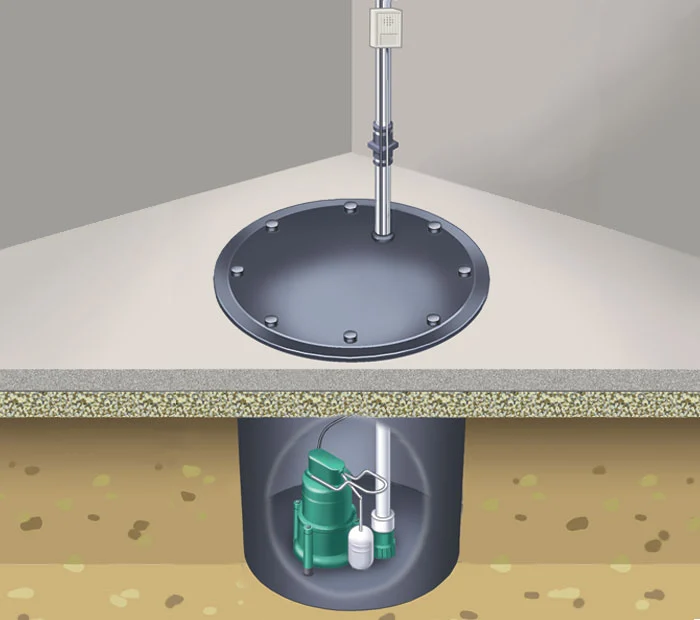
High-capacity primary pumps properly sized for your basement’s water volume — the foundation of any complete Libertyville waterproofing system.
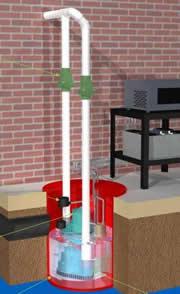
Our BOSS Battery Backup Series — BOSS 2100 (2,100 GPH), BOSS 3100 (3,100 GPH), and BOSS 4000 Deluxe (4,000 GPH) — keeps your basement protected when Des Plaines flooding events knock out power at the worst possible moment.

Our dual sump configuration provides redundant protection during extended high-water events — the right choice for homes near the river corridor or in neighborhoods with documented drainage inadequacy.
With sump systems handling active water removal, interior drainage provides the capture infrastructure that routes groundwater to the pump before it reaches your floor:
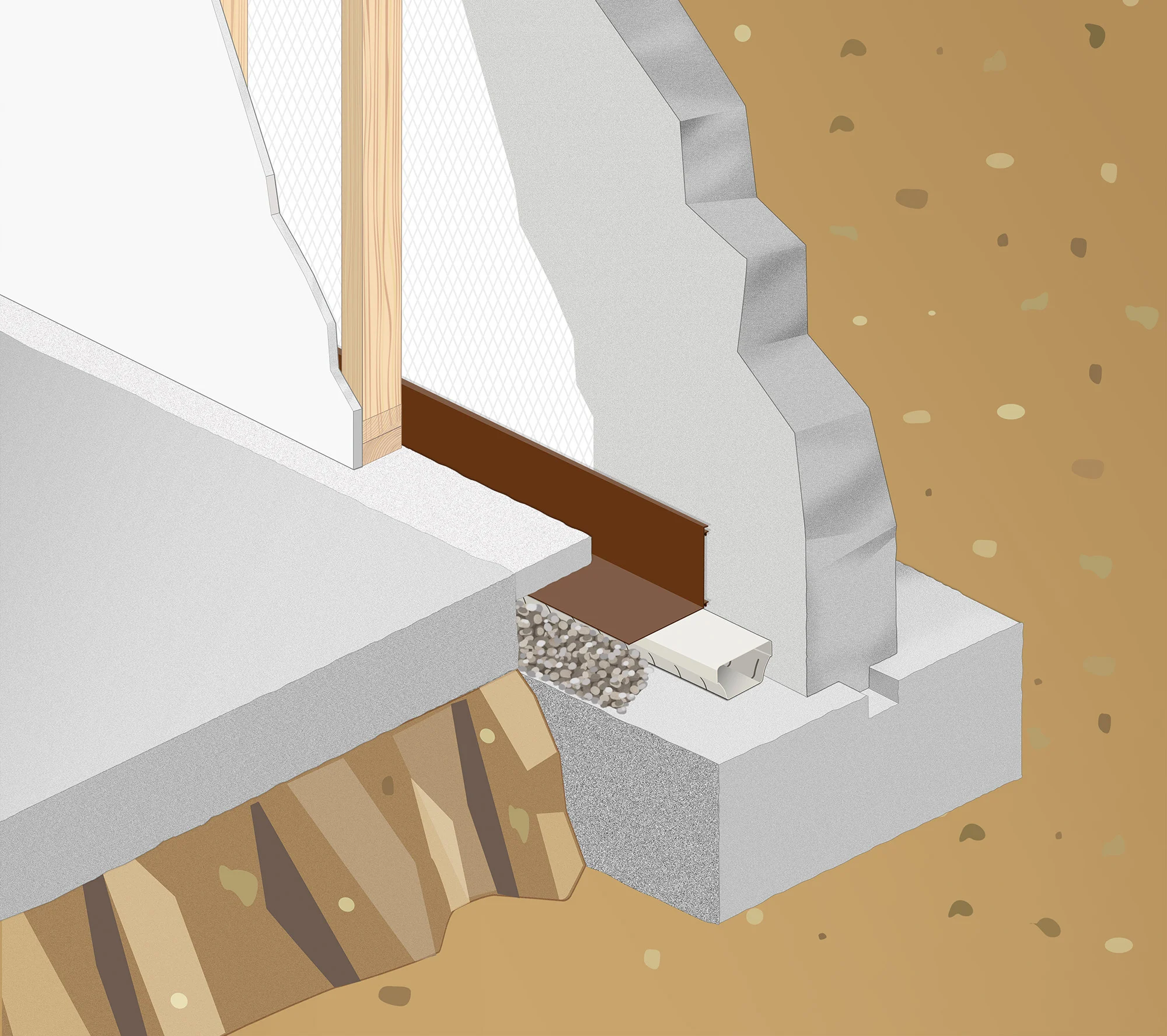
Our ForeverFlow™ Interior Drain Tile System with exclusive dual-filtration technology — the practical lead solution for Libertyville’s postwar poured concrete homes, capturing water at the cove joint and routing it permanently to the sump.
Professional epoxy and polyurethane injection permanently seals shrinkage and settlement cracks in poured concrete — eliminating the entry points that groundwater exploits during high water table events.
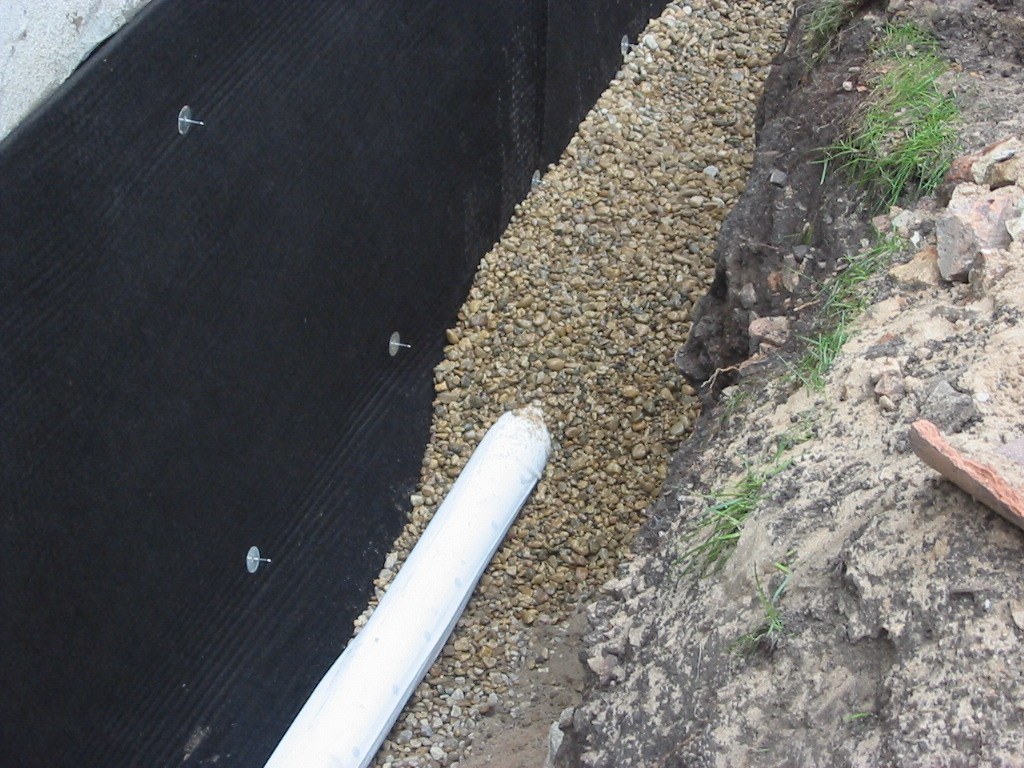
A waterproofing membrane and exterior drain tile system applied to the outside of the foundation wall — the most comprehensive solution for older brick and stone foundations in Libertyville’s historic core when site conditions allow.
For Libertyville's older downtown homes and the accumulated stress of decades of Des Plaines watershed drainage on all foundation types:
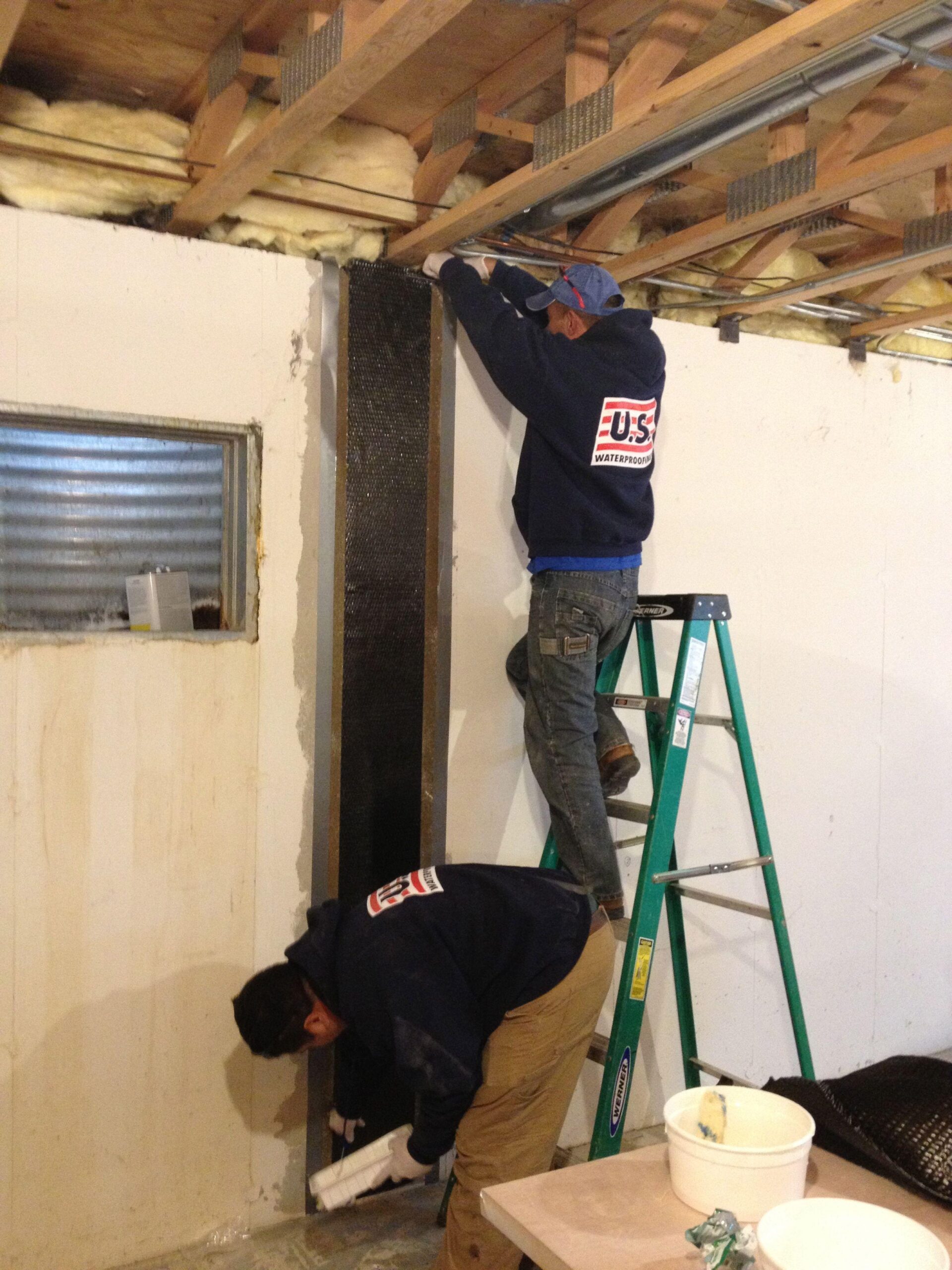
High-strength carbon fiber straps that arrest lateral movement in bowing or cracking foundation walls — no excavation required.
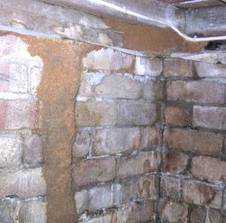
Steel bracing systems that counteract active lateral soil pressure and can gradually return bowing walls toward their original position.
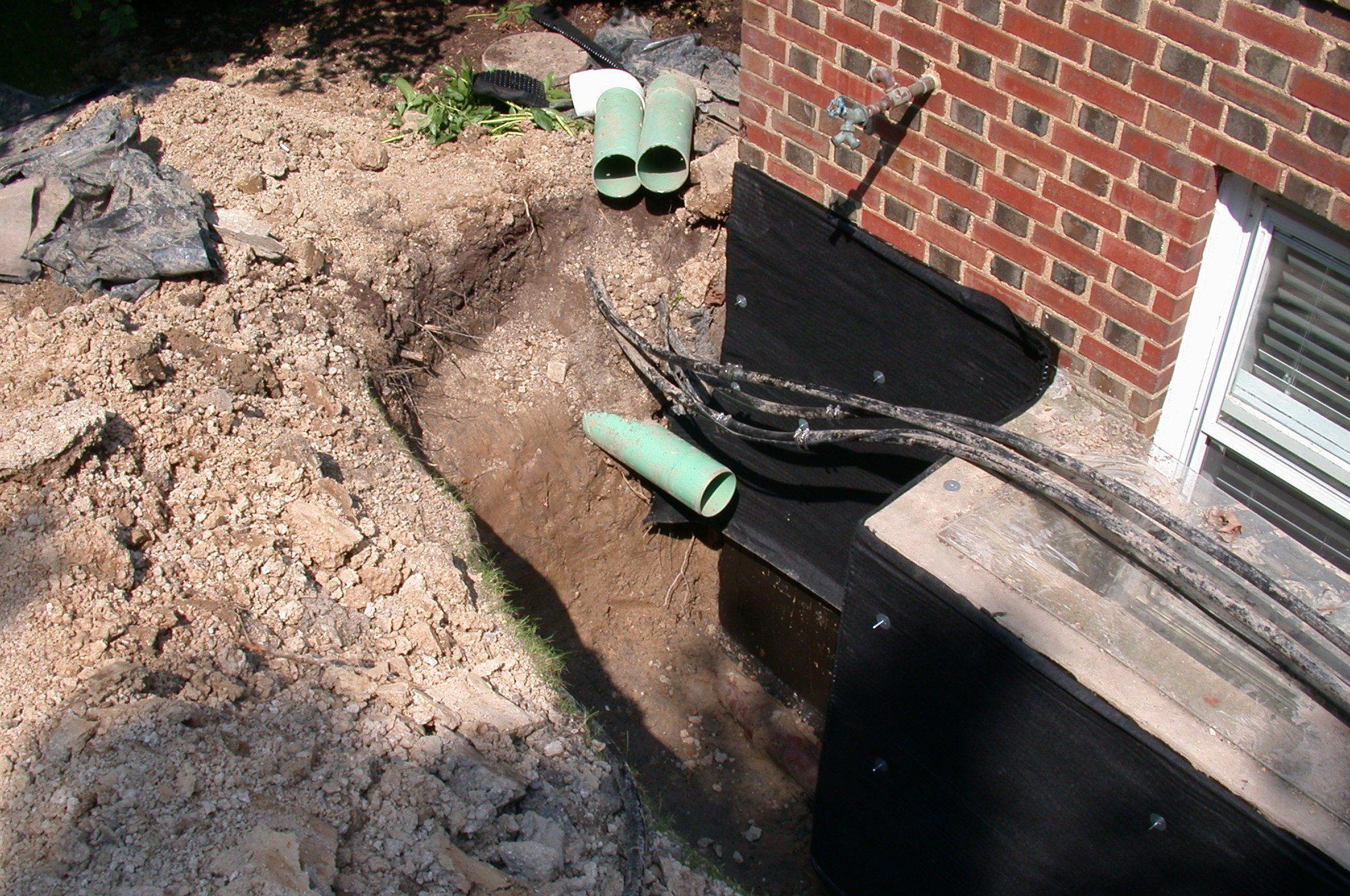
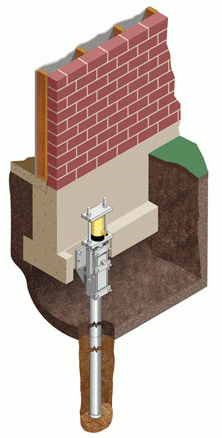
Helical and resistance piers driven to stable load-bearing strata — the right solution when decades of Des Plaines watershed saturation have compromised a foundation’s bearing capacity through soil settlement.
Managing the surface water that overwhelmed storm sewers cannot handle — before it reaches your foundation:

Buried discharge lines that route roof runoff well away from foundation walls, preventing concentrated discharge from adding to the surface water load during storm events.

Comprehensive underground drainage that manages surface and subsurface water across your property — routing it to a discharge point away from the foundation rather than pooling against it when the storm sewer can’t keep up.
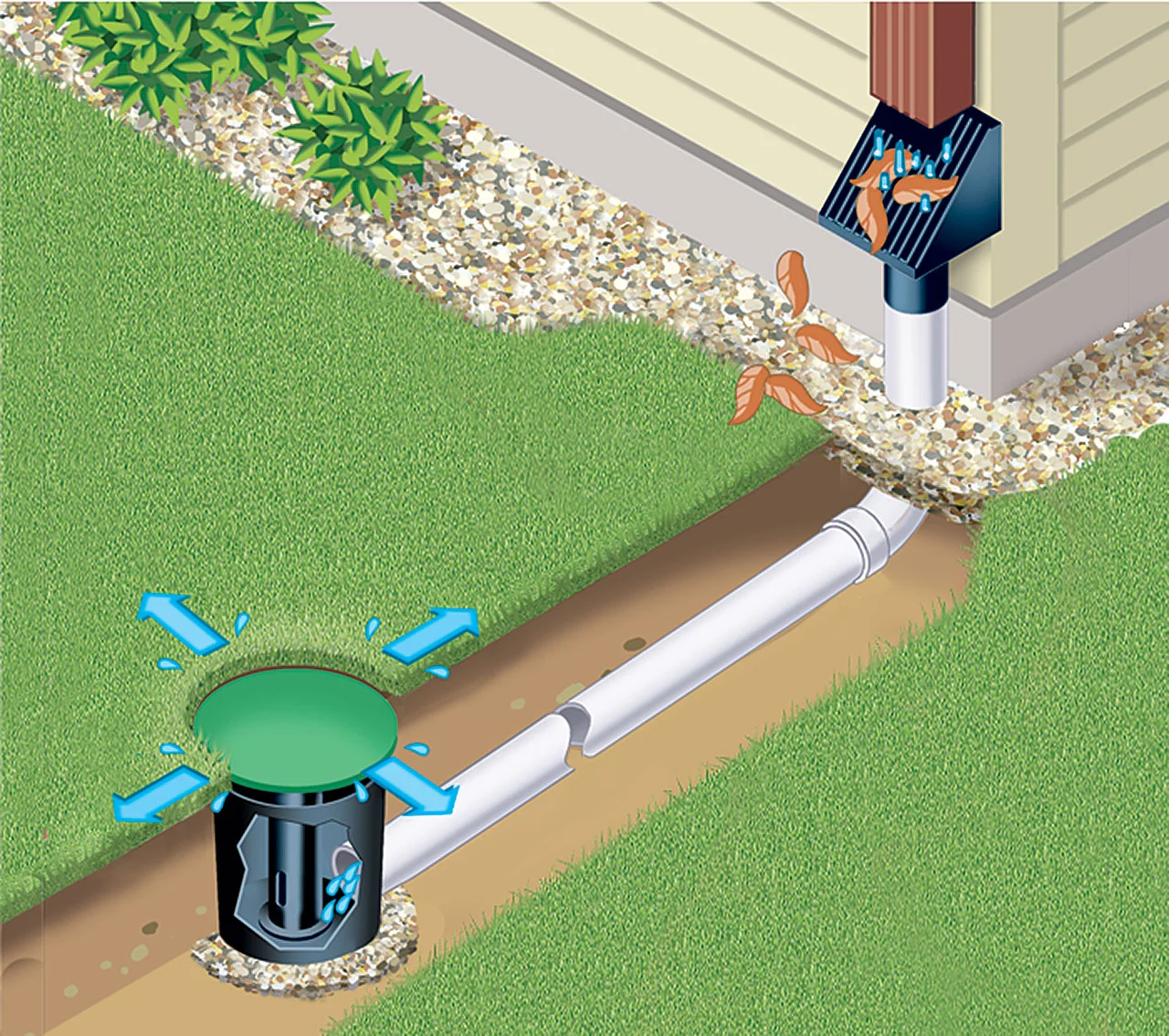
Properly engineered discharge lines with proprietary Bubbler Pot Technology that route sump output away from the foundation perimeter — preventing the recycling problem that surface discharge creates during extended wet periods.
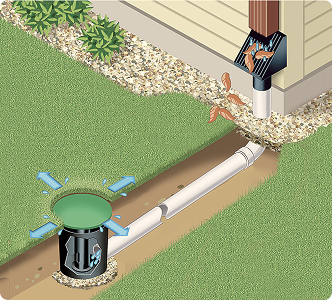
Our complete gutter services keep roof drainage systems functioning properly — the first step in any property water management strategy.
For Libertyville's older homes near the historic downtown core, where crawl spaces or partial basements sit in proximity to the Des Plaines River water table:
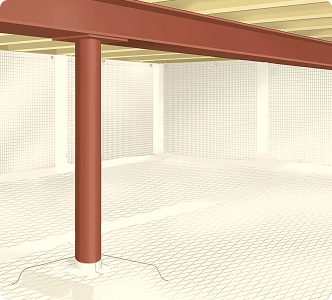
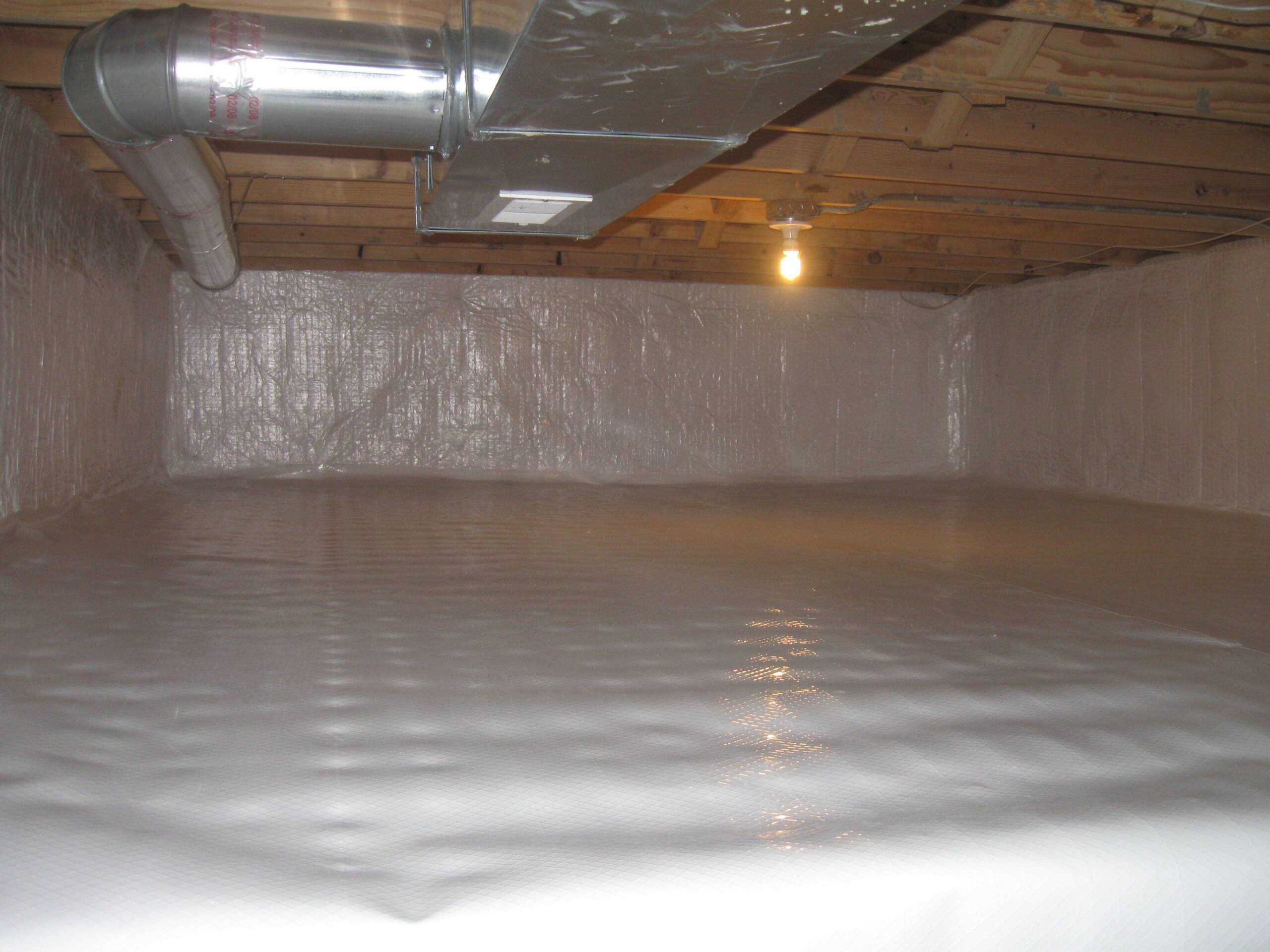
A complete heavy-duty vapor barrier system that seals crawl spaces from ground moisture driven by the inland water table — protecting structural wood and improving indoor air quality throughout the home.
The Better Basement AprilAire® System manages the elevated humidity that persists in basements near the river corridor even between flooding events.
A documented flooding history is a disclosure obligation in Illinois real estate transactions — and Libertyville’s position in the Des Plaines River watershed, combined with Copeland Manor’s acknowledged storm sewer inadequacy, means that a significant share of the village’s housing stock carries that history. A professionally waterproofed basement with a documented, warrantied solution isn’t just protection against the next flood event; it’s a material factor in how your home performs in the market and what buyers conclude when they review disclosures.
Beyond the transaction, the health dimension is equally concrete. Up to 50% of the air on your first floor rises from your basement through the stack effect. In a home that has experienced recurring moisture — whether from groundwater rise, storm sewer backup, or persistent humidity near the river corridor — that air carries mold spores and elevated moisture into every room above. A dry, properly managed basement is a healthier home, and the residents of Libertyville’s family-oriented neighborhoods deserve both.
Libertyville is the most distinctly inland community in our North Shore service area. The waterproofing conditions here — riverine groundwater rise, storm sewer overload, inland lakes maintaining a persistent water table — are fundamentally different from the lakefront bluff dynamics of Highland Park or the ravine system of Lake Forest. A contractor who brings a lakefront playbook to a Des Plaines River watershed problem will get the diagnosis wrong.
U.S. Waterproofing has been working in Lake County’s inland communities since 1957. We understand the Des Plaines drainage watershed, we understand how storm sewer inadequacy translates into foundation pressure in neighborhoods like Copeland Manor, and we understand how the inland water table near Butler Lake, Liberty Lake, and Lake Minear behaves differently from the groundwater conditions a few miles east near the lake. That accumulated local knowledge — nearly 70 years of it — combined with our A+ BBB rating, lifetime transferable warranty, flexible financing, and two-thirds referral rate makes us the right team for Libertyville’s specific drainage challenges.
If you’re dealing with a wet basement, sump system concerns, foundation problems, or yard drainage issues in your Libertyville home, we’re here to help. Schedule your free consultation with one of our experienced specialists. We’ll evaluate your home’s specific conditions — its relationship to the Des Plaines corridor, its neighborhood drainage infrastructure, and its foundation type — and recommend the most practical, effective solutions. No high-pressure sales, no one-size-fits-all answers. Just honest advice from a family-operated company that has been protecting Lake County homes since 1957.
As Libertyville trusted basement waterproofing and foundation repair experts, we understand the distinct challenges facing North Shore homeowners. Our solutions address everything from spring snowmelt and water table surges to winter frost heave impacts on foundations. Each installation is specifically engineered for Chicagoland’s demanding lakeland climate.
From our Libertyville location, we provide professional basement waterproofing and foundation repair services to homes throughout the North Shore and Chicagoland’s northern suburbs, with rapid response and solutions tailored to the region’s unique clay soils and lakeland climate. We also serve the greater Chicago area, extending throughout Cook and Lake Counties, including communities like Libertyville, Evanston, Wilmette, and Northbrook.
We know this is a frustrating answer to an important question, but it depends. No two houses are the same, and since we aim to customize our work around your home as much as possible, each job is different. You will never be charged for an estimate, and we always recommend the most practical solutions for your needs, even if that means directing you elsewhere. Smaller jobs may only be a few hundred dollars (often with an added benefit of saving or preventing thousands spent in the future!), while more involved work can cost significantly more. If you get another company’s estimate for the same work and/or services — an apples to apples comparison — we’ll match that price. No matter the size of the job, we stand behind our work.
The Des Plaines River forms much of Libertyville’s eastern boundary and is one of the most flood-prone rivers in northeastern Illinois — its greatest recorded flood caused $35 million in damage to 10,000 dwellings, and it has flooded more than 9 feet above normal levels during major storm events. When the river rises, groundwater across eastern Libertyville rises with it, increasing hydrostatic pressure against basement floors and walls throughout the river corridor neighborhoods. Properties near Independence Grove Forest Preserve and the eastern sections of the village — including parts of Copeland Manor — experience these conditions most acutely, but the water table effects of major flooding events extend well into the village’s residential interior.
The Village of Libertyville’s own Engineering Department has identified Copeland Manor as having insufficient storm sewer capacity and no safe overland flow routes when rainfall exceeds the system’s design threshold. This means that during significant rain events, surface water in parts of Copeland Manor has nowhere to go except across properties and toward foundations — creating basement flooding conditions that are not primarily a property-specific problem but a neighborhood-wide infrastructure limitation. The village has an active stormwater improvement project to install new main line storm sewers connecting to the Des Plaines River, but until that work is complete, homes in the affected area benefit significantly from proper sump protection, interior drainage, and yard-level water management.
The conditions that cause Libertyville’s worst basement flooding events — heavy sustained rainfall, Des Plaines River rise, storm sewer overload — are the same conditions that cause power outages. A primary sump pump running on household AC current provides no protection when the power goes out, which is exactly when a Libertyville basement needs it most. A properly specified battery backup system — like our BOSS 2100, BOSS 3100, or BOSS 4000 Deluxe — maintains active water removal for hours during an outage, protecting your basement through the full duration of a flooding event even if the grid doesn’t recover until the following day.
Interior waterproofing installs a drainage system along the inside perimeter of your basement that captures water as it enters and routes it to a sump pump. It requires no exterior excavation and is the practical lead solution for most of Libertyville’s postwar poured concrete housing stock. Exterior waterproofing excavates around the outside of the foundation to apply a waterproofing membrane and drain tile directly to the foundation wall — the most comprehensive solution for Libertyville’s older brick and stone foundations in the historic core when lot conditions allow the work. The right choice depends on your foundation type, your home’s position relative to the river corridor, and what the evaluation reveals about how water is entering your basement. We walk through both at every free consultation.
Yes. Every qualifying installation is backed by our lifetime transferable warranty — the warranty stays with the home and transfers to future owners at no additional cost, which matters particularly in Libertyville where a documented flooding history requires disclosure and a warrantied professional solution is the most effective way to address that history in a buyer’s eyes. We also offer 12-month no-interest financing to make professional-grade solutions accessible for every budget. We maintain a dedicated warranty department — separate staff specifically handling warranty issues — which is uncommon in this industry and reflects how seriously we stand behind our work.





A U.S. Waterproofing representative is available 24 hours a day, seven days a week to take your call and schedule a free consultation.